
Questions you may have about

Q1:What's the difference between Cast Iron and Carbon Steel?
Cast Iron: Thicker, heavier, and holds heat incredibly well. Perfect for searing, frying, baking, and slow, even cooking (like stews or cornbread).
Carbon Steel: Thinner, lighter, and heats up/cools down faster. Excellent for sautéing, stir-frying, and achieving a great sear. It’s often considered a hybrid between cast iron and a traditional frying pan.
Q2: How do I remove rust from my pan?
A: Don’t worry, rust is fixable!
Scrub the rusted area with steel wool or a stiff brush under running water.
For severe rust, a 50/50 vinegar and water soak for up to 30 minutes can help.
Once the rust is gone, wash, dry thoroughly, and re-season the pan immediately.
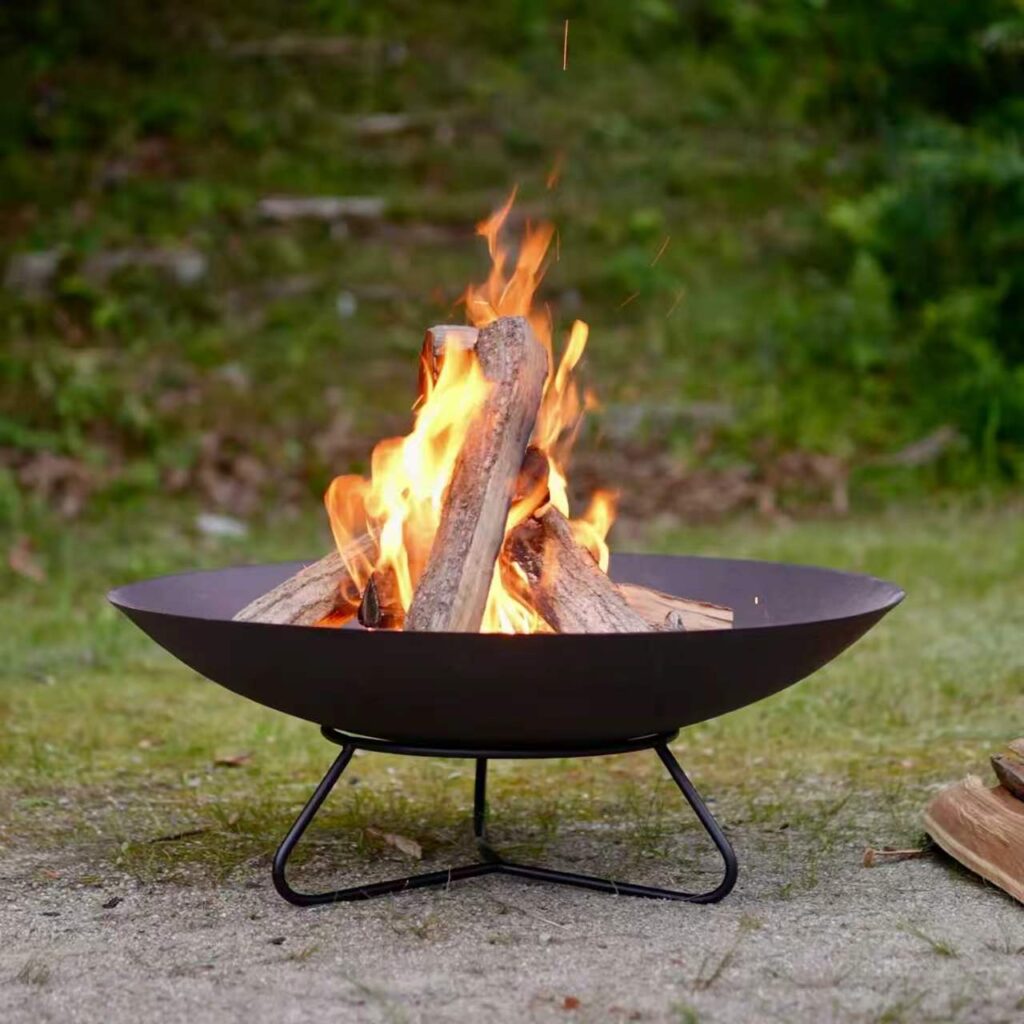
Q3: How do I build a fire in my cast iron fire pit?
A: Start with a small base of kindling and fire starters. Add small logs once the kindling is burning well. Avoid overfilling the bowl. Never use accelerants like gasoline, as this can damage the iron and is extremely dangerous.
Q4: Can my cast iron fire pit be left outside in the rain?
A: It is not recommended. While the seasoning provides protection, prolonged exposure to moisture will cause rust. Always cover your fire pit with a fitted weatherproof cover when not in use and store it in a dry place if possible during wet seasons.
Q5: The bottom of my fire pit is rusting. What should I do?
A: Surface rust is common due to ash and moisture. Empty the ash after each use once the pit is completely cool. Scrub the rust away with a wire brush, wipe clean, dry thoroughly, and apply a thin layer of oil to the affected area. A hot fire during your next use will re-season it.
Q6: How do I clean my cast iron/carbon steel grill grates?
A: The best time to clean is while the grates are still warm after cooking (not scorching hot). Use a sturdy grill brush to scrape off food debris. For a deeper clean, you can wipe them with a damp cloth and then apply a light coat of cooking oil to prevent rust.
Q7: Can I use my outdoor cast iron cookware on my kitchen stove?
A: Yes! Cast iron and carbon steel are incredibly versatile. They can be used on stovetops (gas, electric, induction), in ovens, and over open fires and grills. Always ensure the handle is safe to touch by using a handle cover.
Q8: Will the legs/frame/body of my fire pit or grill get hot?
A: YES. All parts of a active fire pit or grill will become extremely hot during use and remain hot for a long time after the fire is out. Keep children and pets at a safe distance. Never move a fire pit while it is hot. Always place it on a non-combustible surface like stone or concrete.
Q9: What is the best fuel to use?
A: Use only dry, seasoned hardwoods or natural charcoal. Avoid using softwoods (like pine), which can create excessive sparks and leave sticky resin deposits. Never burn trash, treated wood, or coal, as they can release toxic fumes and damage your product.
Q10: How do I safely put out the fire?
A: The safest method is to let the fire burn out completely on its own. Do not use water to extinguish a hot fire in a cast iron product, as the rapid temperature change can cause the metal to warp or crack. Instead, spread out the embers to help them cool faster, and always have a fire extinguisher or garden hose nearby for emergencies.


